
 EN
EN


Key Fabric Types for Custom Hoodie Bulk Production
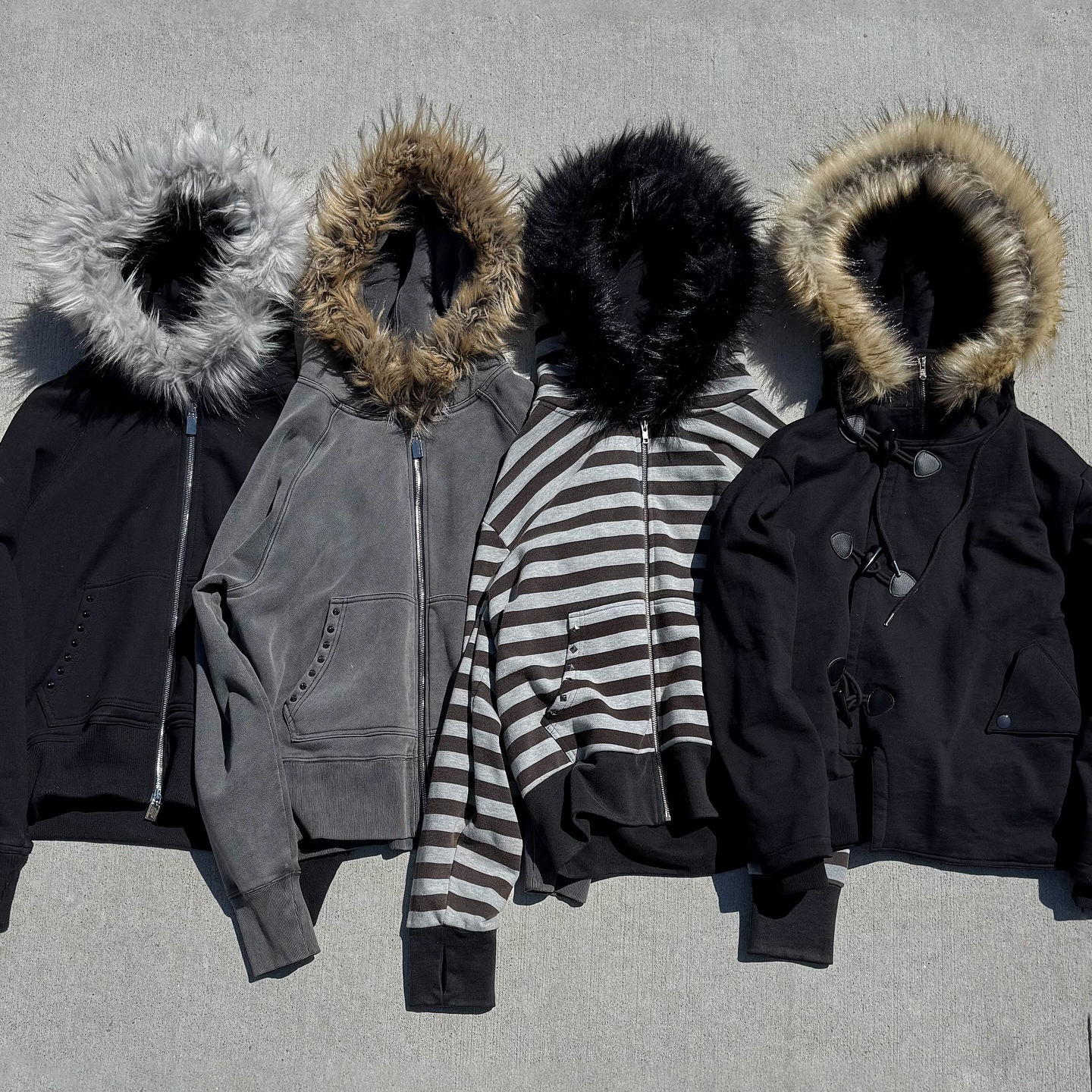
Selecting the right base material is a strategic decision that directly impacts your brand’s cost, quality, and streetwear authenticity. The following core fabric categories dominate bulk custom hoodie production, each offering distinct advantages for comfort, printability, and aesthetic.
Cotton-Fleece Blends vs. Heavyweight Cotton: Balancing Comfort, Cost, and Streetwear Authenticity
Cotton-fleece blends combine a brushed polyester interior with a cotton face—delivering softness, thermal retention, and cost efficiency. This construction supports mid-range custom hoodie lines by reducing raw material costs while delivering the cozy hand feel consumers associate with everyday wear. In contrast, heavyweight 100% carded or ring-spun cotton offers denser structure, superior drape, and a vintage patina after washing—key markers of premium streetwear heritage. However, it carries higher shrinkage risk and a 15–20% production cost premium over fleece blends, with an average retail price uplift of 25%. Brands must weigh scalability and margin (fleece) against long-term brand equity and perceived quality (heavyweight cotton).
Cotton-Polyester Blends (70/30 & 80/20): Optimizing Print Readiness and Production Efficiency for Custom Hoodie Orders
Cotton-polyester blends are the operational backbone of high-volume custom hoodie production. The 80/20 blend retains cotton’s natural hand feel while leveraging polyester’s dimensional stability—reducing shrinkage to under 3% and improving fabric flatness during screen printing. This consistency lowers misprint rates and boosts throughput. The 70/30 variant increases shape retention and moisture-wicking, making it ideal for athletic-leaning streetwear. Both accept plastisol and water-based inks reliably, but the 80/20 blend better supports distressed or vintage print aesthetics due to its truer cotton appearance. A leading manufacturer reported a 12% drop in post-print reject rates when shifting from 100% cotton to 80/20—translating directly into faster lead times and lower per-unit costs without compromising print clarity.
Premium Alternatives: Organic Cotton, Elastane-Enhanced Loopback, and Reverse Fleece for Differentiated Custom Hoodie Lines
To stand out in a competitive market, brands increasingly adopt specialty fabrics that support sustainability, performance, or bold design narratives. Organic cotton—grown without synthetic pesticides—meets rising consumer demand for ethical fashion and commands a 20–30% price premium, backed by 2023 survey data showing willingness to pay more for certified sustainable apparel. Its subtle texture and breathability reinforce premium positioning. Elastane-enhanced loopback (5–8% spandex) adds four-way stretch and improved recovery while preserving the clean, unbrushed interior favored in modern layering silhouettes. Reverse fleece flips the brushed side outward, delivering a tactile, dimensional surface that has become synonymous with high-end streetwear drops—offering instant visual distinction and a rugged, worn-in drape. Though these options raise unit costs by 15–40%, they enable authentic storytelling and justify elevated pricing, helping niche brands cultivate loyal followings.
GSM, Weight, and Structural Performance for Streetwear Custom Hoodies
Fabric weight—measured in grams per square meter (gsm)—directly dictates how a custom hoodie drapes, insulates, and endures. In streetwear, where oversized silhouettes and premium hand-feel dominate, selecting the right gsm range is a cornerstone of production planning.
Why 350–400+ gsm Is the Gold Standard for Premium Custom Hoodie Bulk Production
The 350–400+ gsm bracket delivers the density, drape, and durability expected of authentic streetwear. Fabrics in this range resist deformation across repeated wear and washing, while their mass provides inherent insulation—eliminating the need for bulky linings. In controlled testing across 50 wash cycles, 400 gsm brushed fleece retained up to 92% of original thickness versus 78% for 280 gsm alternatives—directly correlating with reduced pilling, fewer seam distortions, and longer garment life. For seasonal drops or signature styles, this structural integrity reinforces brand credibility at first touch—and sustains it wash after wash. While material costs rise modestly, the gains in consumer satisfaction, reduced returns, and stronger shelf presence deliver strong ROI at scale.
Comparing GSM Ranges Across Core Fabrics: French Terry, Brushed Fleece, and Reverse Fleece
Identical gsm values can yield vastly different experiences depending on knit structure and finishing. The table below outlines typical ranges and their functional alignment with streetwear use cases.
| Fabric Type | Typical GSM Range | Key Characteristics | Ideal Custom Hoodie Use |
|---|---|---|---|
| French Terry | 280–350 | Loopback interior, breathable, moderate warmth | Lightweight layering, active streetwear pieces |
| Brushed Fleece | 350–400+ | Soft, brushed back, high insulation, structured drape | Premium everyday hoodies, cold-weather staples |
| Reverse Fleece | 350–450 | Fleece interior, textured face side, dimensional look | Fashion-forward silhouettes, textured branding |
French Terry’s lighter density suits transitional weather and movement-oriented designs. Brushed and reverse fleece dominate the heavy end—not just for weight, but for plushness and resilience. A 380 gsm brushed fleece feels significantly softer and warmer than a 380 gsm French Terry because brushing lifts fibers to trap air—a critical nuance for bulk buyers: gsm alone doesn’t define performance; construction and finish do.
Durability and Care Performance at Scale
For custom hoodie lines produced at scale, durability defines long-term brand perception. Streetwear consumers expect garments to retain shape, resist pilling, and hold color through dozens of wears and washes. Even a 2% shrinkage variance across thousands of units risks costly returns—making dimensional stability non-negotiable. Pre-shrunk cotton-fleece blends and tightly twisted polyester yarns minimize post-wash distortion, while reactive dyeing ensures superior colorfastness over pigment-based methods. Clear, standardized care labeling—machine wash cold, tumble dry low, no bleach—is essential to preserve fabric integrity and maintain visual freshness across the product lifecycle. Production teams should validate pilling resistance using the Martindale test (ISO 12945-2), ensuring final garments meet the rigorous expectations of urban fashion buyers.
Fabric Compatibility with Custom Hoodie Decoration Methods
Screen Printing, DTF, and Sublimation: How Fabric Composition Affects Branding Clarity and Longevity
Fabric composition fundamentally determines decoration success. Screen printing performs best on stable, low-stretch surfaces—particularly cotton-dominant blends like 70/30 or 80/20—where ink adhesion remains crisp and crack-resistant over time. Highly elastic or low-melt synthetics increase cracking risk and reduce print longevity. DTF transfers offer broad compatibility but require temperature calibration: polyester-rich fabrics demand lower curing settings to avoid scorching and detail loss. Sublimation works exclusively on high-polyester content (ideally ≥80%) to embed vibrant, permanent graphics; cotton blends yield faded, surface-level results that degrade rapidly. Choosing the right fabric ensures branding remains sharp, durable, and true to intent—meeting streetwear’s demand for high-impact visuals that endure.
Tactile Experience and Streetwear Brand Alignment
Brushed Fleece vs. Loopback Jersey: Texture, Drape, and Consumer Expectations in Urban Markets
In streetwear, texture is a silent brand ambassador. Brushed fleece delivers immediate softness and a relaxed, fluid drape—ideal for oversized, cozy silhouettes that resonate with urban casual wear. Loopback jersey, with its unbrushed loops on the interior, offers a crisper hand and more defined structure—evoking retro sportswear and heritage authenticity. Market research confirms urban consumers subconsciously link plush, brushed textures with comfort and approachability, while loopback’s tactile dimension signals durability and legacy. For bulk custom hoodie production, aligning fabric choice with these ingrained associations builds instant emotional resonance and strengthens streetwear credibility—turning material selection into a strategic brand signal.
FAQs
What is the significance of GSM in hoodie production?
GSM stands for grams per square meter and directly affects a hoodie’s weight, warmth, and durability. Premium hoodies with 350–400+ GSM offer better insulation, structural integrity, and longer lifespan.
Are cotton-fleece blends preferable for custom hoodies?
Cotton-fleece blends are ideal for mid-range custom hoodie production as they offer a cozy feel, cost efficiency, and good thermal retention. However, heavyweight cotton delivers superior drape and a premium streetwear aesthetic.
How do polyester blends enhance print readiness?
Polyester in cotton-poly blends reduces shrinkage and enhances fabric flatness, allowing for crisp, durable prints with minimal misprints. An 80/20 blend particularly supports distressed or vintage aesthetic prints.
Can sublimation prints work on cotton hoodies?
Sublimation printing requires high polyester content, ideally 80% or more. Cotton-rich fabrics don’t work well for sublimation, as they yield faded and non-permanent graphics.
What are the best care practices for custom hoodies?
Standard care recommendations include machine wash cold, tumble dry low, and avoiding bleach. These steps help maintain fabric integrity and visual appeal over time.
Table of Contents
-
Key Fabric Types for Custom Hoodie Bulk Production
- Cotton-Fleece Blends vs. Heavyweight Cotton: Balancing Comfort, Cost, and Streetwear Authenticity
- Cotton-Polyester Blends (70/30 & 80/20): Optimizing Print Readiness and Production Efficiency for Custom Hoodie Orders
- Premium Alternatives: Organic Cotton, Elastane-Enhanced Loopback, and Reverse Fleece for Differentiated Custom Hoodie Lines
- GSM, Weight, and Structural Performance for Streetwear Custom Hoodies
- Durability and Care Performance at Scale
- Fabric Compatibility with Custom Hoodie Decoration Methods
- Tactile Experience and Streetwear Brand Alignment
- FAQs