
 EN
EN


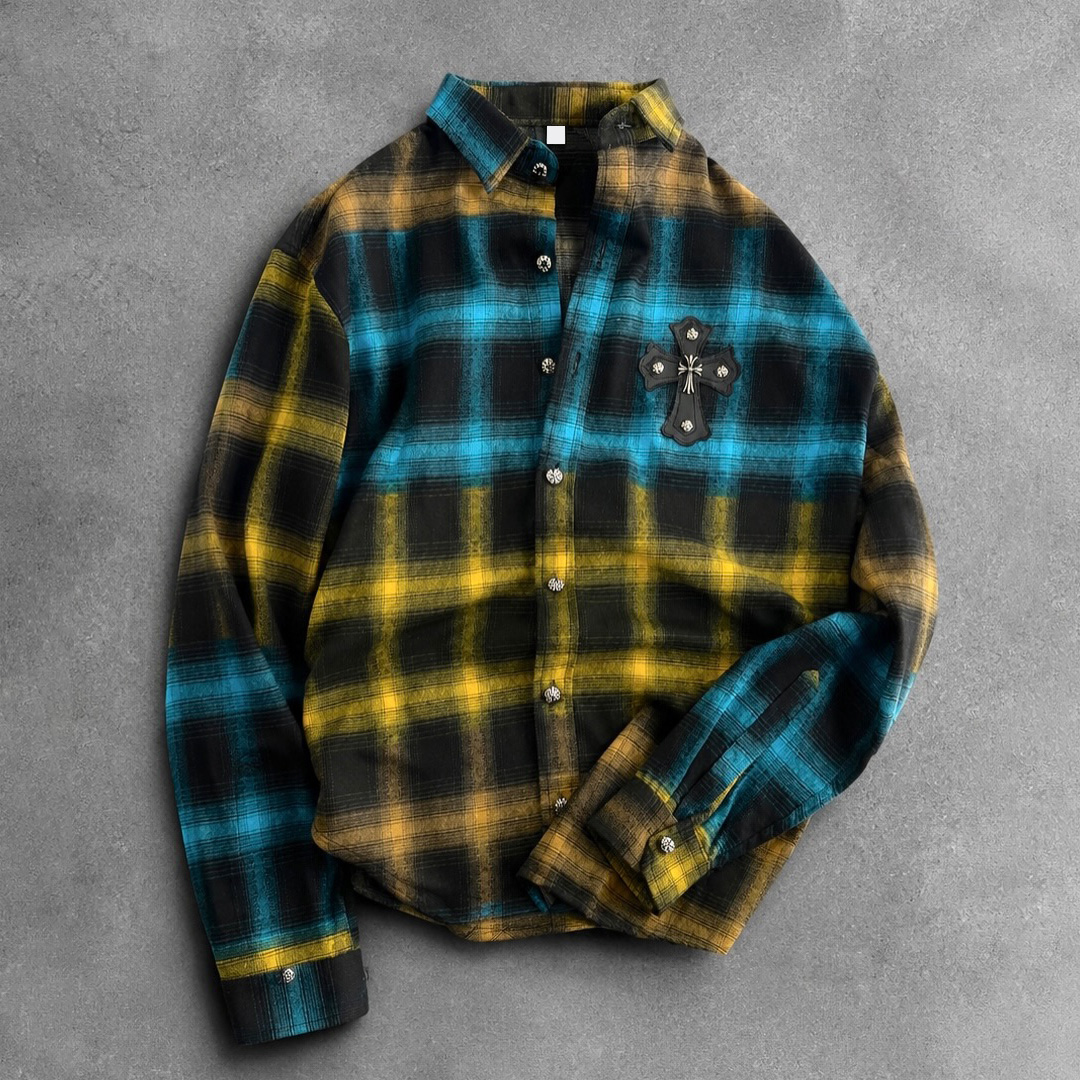
Why Preshrinking Is Essential for Custom Design Shirt Accuracy
Custom design shirts depend on accurate measurements, stable fabrics, and consistent production quality. However, many natural fibers, especially cotton and linen, naturally relax and contract after washing. Without proper fabric stabilization, the final garment may experience changes in sleeve length, collar shape, or overall fit.
Preshrinking helps manufacturers control these dimensional changes before cutting and sewing. By relaxing fabric tension in advance, the process allows patterns to be developed based on more stable material conditions. This improves size consistency, reduces production adjustments, and helps custom shirts maintain their intended appearance after repeated washing.
For OEM and custom shirt production, preshrinking is an important quality control process that connects fabric performance with final garment accuracy.
Common Preshrinking Methods Used in Custom Shirt Manufacturing
Sanforization for Cotton and Cotton Blend Fabrics
Sanforization is one of the most widely used fabric stabilization processes for cotton-based materials. It uses controlled moisture, pressure, and mechanical compression to reduce natural fabric relaxation before garment production.
This process is commonly applied to fabrics such as cotton poplin, twill, and other woven shirt materials. By reducing potential shrinkage before cutting, manufacturers can improve measurement consistency between production batches.
For custom design shirts, this is especially valuable because even small dimensional changes can affect important details such as:
- collar size
- sleeve length
- shoulder position
- overall silhouette
Sanforized fabrics generally provide better dimensional stability compared with untreated cotton fabrics, making them suitable for brands requiring consistent sizing across larger production runs.
Controlled Steam Shrinking for Natural and Delicate Fabrics
Some fabrics require gentler treatment methods. Linen, rayon, and lightweight cotton blends can have higher dimensional changes because of their fiber characteristics and moisture sensitivity.
Controlled steam shrinking allows manufacturers to relax internal fabric tension while maintaining the original texture and hand feel. Unlike aggressive mechanical processes, steam treatment helps preserve the natural softness and breathability that make these fabrics popular for casual and premium shirts.
Before mass production, manufacturers usually test treated fabrics to confirm that the remaining shrinkage is within the acceptable range for the intended garment design.
Understanding Fabric Shrinkage Factors in Custom Design Shirts
Cotton Fabric Structure and Its Influence on Fit
Cotton remains one of the most common materials for custom shirts because of its comfort and versatility. However, cotton fibers naturally absorb moisture and may change dimensions after washing.
Shrinkage behavior depends on several factors:
- fiber composition
- yarn structure
- fabric weave
- finishing process
- washing conditions
For example, lightweight cotton poplin and heavier cotton twill may respond differently after laundering. A stable fabric selection combined with proper preshrinking helps maintain the balance between comfort and dimensional accuracy.
Managing Linen, Rayon, and Cotton Blend Fabrics
Natural and regenerated fibers require additional attention during production.
Linen offers excellent breathability but may experience noticeable relaxation after washing. Rayon provides a smooth drape but can be sensitive to moisture and mechanical stress. Cotton blends may behave differently depending on the percentage of each fiber.
For these materials, manufacturers often conduct pre-production testing to determine:
- expected dimensional change
- suitable pattern adjustments
- recommended washing conditions
This allows designers and manufacturers to create shirts that maintain the intended fit after delivery.
Fabric Testing Before Custom Shirt Production
Cut and Measure Testing for Shrinkage Evaluation
Before bulk production, fabric testing helps manufacturers understand how materials will behave during real use.
A common approach is the cut and measure method. A fabric sample is measured before washing, then washed and dried under controlled conditions. After conditioning, the dimensions are measured again to calculate shrinkage.
For custom shirts, testing can also include garment samples rather than fabric alone. This helps identify potential issues caused by:
- seams
- collars
- cuffs
- different fabric panels
Because finished garments contain multiple construction elements, garment-level testing provides more practical information for pattern adjustment.
Using Shrinkage Data to Improve Production Accuracy
Testing results allow manufacturers to make informed decisions before cutting large quantities of fabric.
Based on shrinkage performance, production teams can adjust:
- pattern measurements
- fabric treatment methods
- size grading
- quality inspection standards
This approach reduces unexpected fit problems and helps ensure that custom design shirts match the original specifications more consistently.
How Preshrinking Improves Custom Shirt Quality
Preshrinking does more than reduce fabric shrinkage. It helps manufacturers create a more predictable production process.
For brands ordering custom shirts, benefits include:
- more consistent sizing between batches
- improved garment appearance after washing
- fewer fitting issues
- better customer satisfaction
For manufacturers, proper fabric stabilization and testing provide stronger quality control throughout the production process.
By combining suitable preshrinking methods with accurate testing procedures, custom shirt suppliers can deliver garments that better maintain their original design, fit, and performance throughout their service life.
FAQ
Why is preshrinking important for custom design shirts?
Preshrinking helps stabilize fabrics before production, reducing unexpected dimensional changes after washing and improving final garment consistency.
Which fabrics usually require preshrinking?
Cotton, linen, rayon, and many natural fiber blends often benefit from preshrinking because they may experience dimensional changes during laundering.
What methods are commonly used for fabric preshrinking?
Common methods include sanforization, controlled steam treatment, and mechanical fabric relaxation processes.
How do manufacturers test shrinkage before production?
Manufacturers typically compare fabric or garment measurements before and after controlled washing and drying to evaluate dimensional changes.
Can preshrinking completely eliminate shrinkage?
No fabric process can guarantee zero shrinkage. However, proper preshrinking and testing can significantly improve dimensional stability and production consistency.
Table of Contents
- Why Preshrinking Is Essential for Custom Design Shirt Accuracy
- Common Preshrinking Methods Used in Custom Shirt Manufacturing
- Sanforization for Cotton and Cotton Blend Fabrics
- Controlled Steam Shrinking for Natural and Delicate Fabrics
- Understanding Fabric Shrinkage Factors in Custom Design Shirts
- Cotton Fabric Structure and Its Influence on Fit
- Managing Linen, Rayon, and Cotton Blend Fabrics
- Fabric Testing Before Custom Shirt Production
- Cut and Measure Testing for Shrinkage Evaluation
- Using Shrinkage Data to Improve Production Accuracy
- How Preshrinking Improves Custom Shirt Quality
- FAQ
- Why is preshrinking important for custom design shirts?
- Which fabrics usually require preshrinking?
- What methods are commonly used for fabric preshrinking?
- How do manufacturers test shrinkage before production?
- Can preshrinking completely eliminate shrinkage?