
 EN
EN




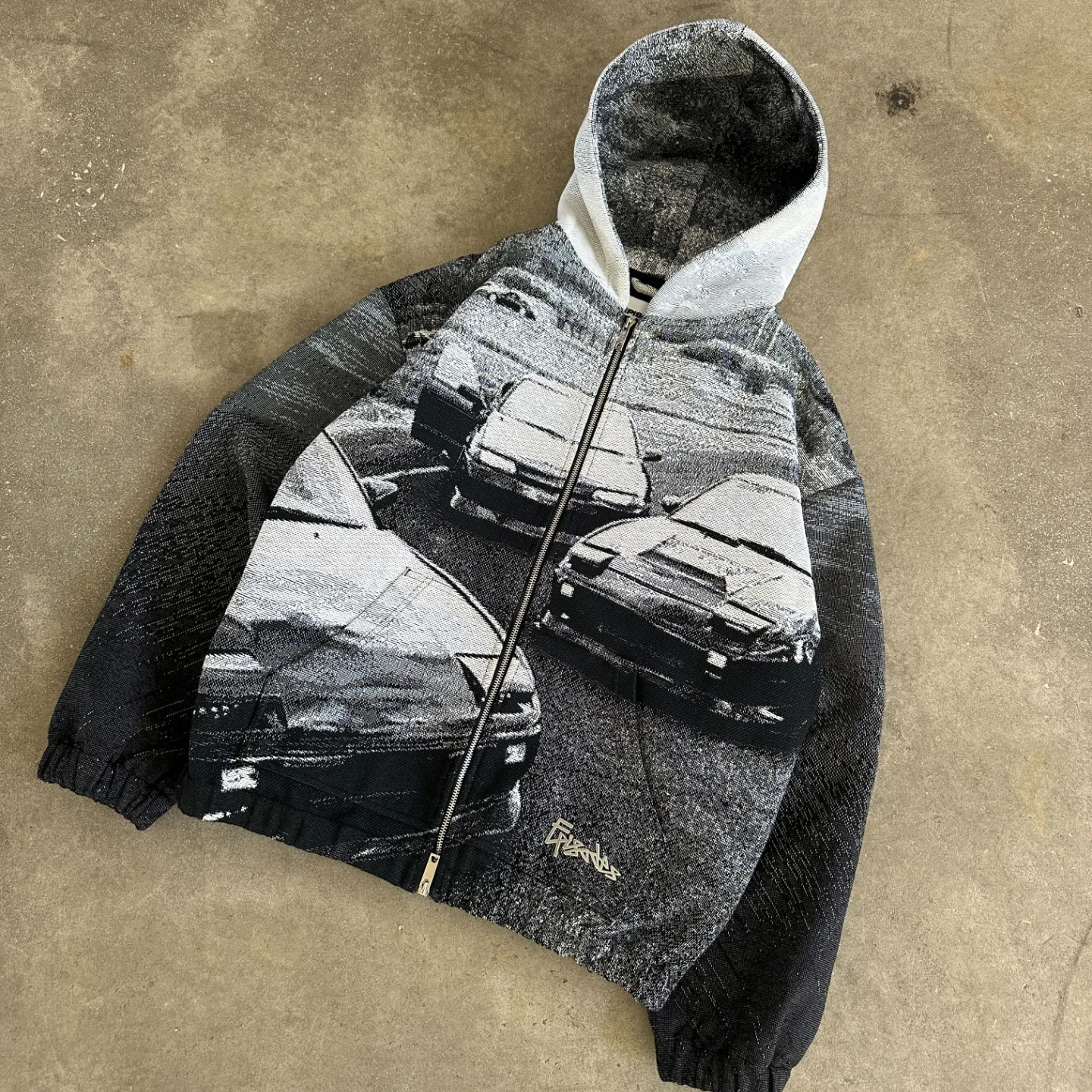
How to Control Shrinkage in Heavyweight Hoodies During Production
Heavyweight hoodies are popular in streetwear, casualwear, and premium apparel collections because of their substantial feel, durability, and structured appearance.
However, thicker fabrics and oversized silhouettes also create higher requirements for shrinkage control. Without proper fabric stabilization and garment testing, washing can affect measurements, proportions, and overall wearing comfort.
For apparel manufacturers and brands, understanding shrinkage behavior is essential for producing heavyweight hoodies with consistent quality.
Why Heavyweight Hoodies Require Careful Shrinkage Control
Heavyweight hoodies are commonly made from cotton, cotton blends, fleece, or French terry fabrics. Cotton fibers naturally absorb moisture and may change dimension during washing if internal tension has not been properly released.
Fabric construction, yarn characteristics, dyeing processes, and finishing treatments all influence shrinkage performance.
The challenge becomes more noticeable in oversized hoodie designs. Longer body lengths, dropped shoulders, wider sleeves, and larger hood structures rely heavily on accurate measurements. Even small dimensional changes can affect the intended relaxed silhouette.
Because of this, shrinkage control should begin during fabric development rather than only after garment production.
How Fabric Structure Affects Hoodie Shrinkage
Different fabrics respond differently during washing.
Cotton-heavy fabrics usually require careful stabilization because natural fibers can relax after exposure to water and heat.
French terry and fleece fabrics also need proper finishing because their loop structures and brushed surfaces influence how they respond to laundering.
Important factors include:
Fabric composition
Knit density
Yarn tension
Dyeing process
Pre-shrinking treatments
Garment construction
Understanding these elements helps manufacturers select suitable production methods and create more stable heavyweight hoodies.
Testing Methods for Heavyweight Hoodie Dimensional Stability
Fabric shrinkage testing is an important reference for evaluating material performance.
Standards such as AATCC and ISO washing methods are commonly used in the textile industry to measure dimensional changes after laundering.
However, fabric testing alone may not fully represent the final garment performance.
For heavyweight hoodies, finished garment testing is also valuable because different components may react differently during washing.
Areas commonly evaluated include:
Body length
Chest width
Sleeve length
Shoulder width
Hood shape
Rib cuff measurements
Testing complete garments helps identify possible issues such as twisting, uneven shrinkage, or changes in silhouette.
Production Solutions to Reduce Shrinkage Risk
Manufacturers use several methods to improve dimensional stability.
Pre-shrinking processes can help relax fabric tension before cutting and sewing.
Compacting treatments may improve stability for certain knitted fabrics by controlling fabric relaxation.
Careful pattern adjustment is also important. Production teams can consider expected fabric behavior when developing oversized hoodie patterns to maintain the intended fit after washing.
Quality control should include:
Fabric inspection before production
Wash testing during development
Finished garment evaluation
Consistent measurement checks
These steps help reduce unexpected size changes and improve customer satisfaction.
Choosing a Reliable Heavyweight Hoodie Manufacturer
For brands developing heavyweight hoodies, supplier capability plays an important role in product consistency.
An experienced manufacturer should understand:
Heavyweight fabric characteristics
Shrinkage control methods
Garment construction requirements
Washing and finishing techniques
Quality inspection procedures
A professional production partner can help brands achieve the desired combination of weight, comfort, durability, and fit.
Frequently Asked Questions
Why do heavyweight hoodies shrink?
Heavyweight hoodies may shrink because cotton fibers and knitted structures can relax when exposed to water, heat, and mechanical washing conditions.
How can manufacturers reduce hoodie shrinkage?
Manufacturers can improve dimensional stability through fabric selection, pre-shrinking processes, proper finishing, and garment testing.
Are heavyweight hoodies more difficult to produce?
Compared with lightweight garments, heavyweight hoodies require more attention to fabric behavior, construction details, and quality control.
What tests are used for hoodie shrinkage?
Textile standards such as AATCC and ISO washing methods are commonly used to evaluate dimensional changes after laundering.
Why is garment testing important for oversized hoodies?
Garment-level testing helps identify changes in shape, proportion, and fit that may not appear in fabric-only tests.
Table of Contents
- How to Control Shrinkage in Heavyweight Hoodies During Production
- Why Heavyweight Hoodies Require Careful Shrinkage Control
- How Fabric Structure Affects Hoodie Shrinkage
- Testing Methods for Heavyweight Hoodie Dimensional Stability
- Production Solutions to Reduce Shrinkage Risk
- Choosing a Reliable Heavyweight Hoodie Manufacturer
- Frequently Asked Questions